21 Days of Perceptual Practice

What if perception — the very way we see and experience the world — were something that we could observe and control? What if perception were a lever for creating freedom and change in daily life?
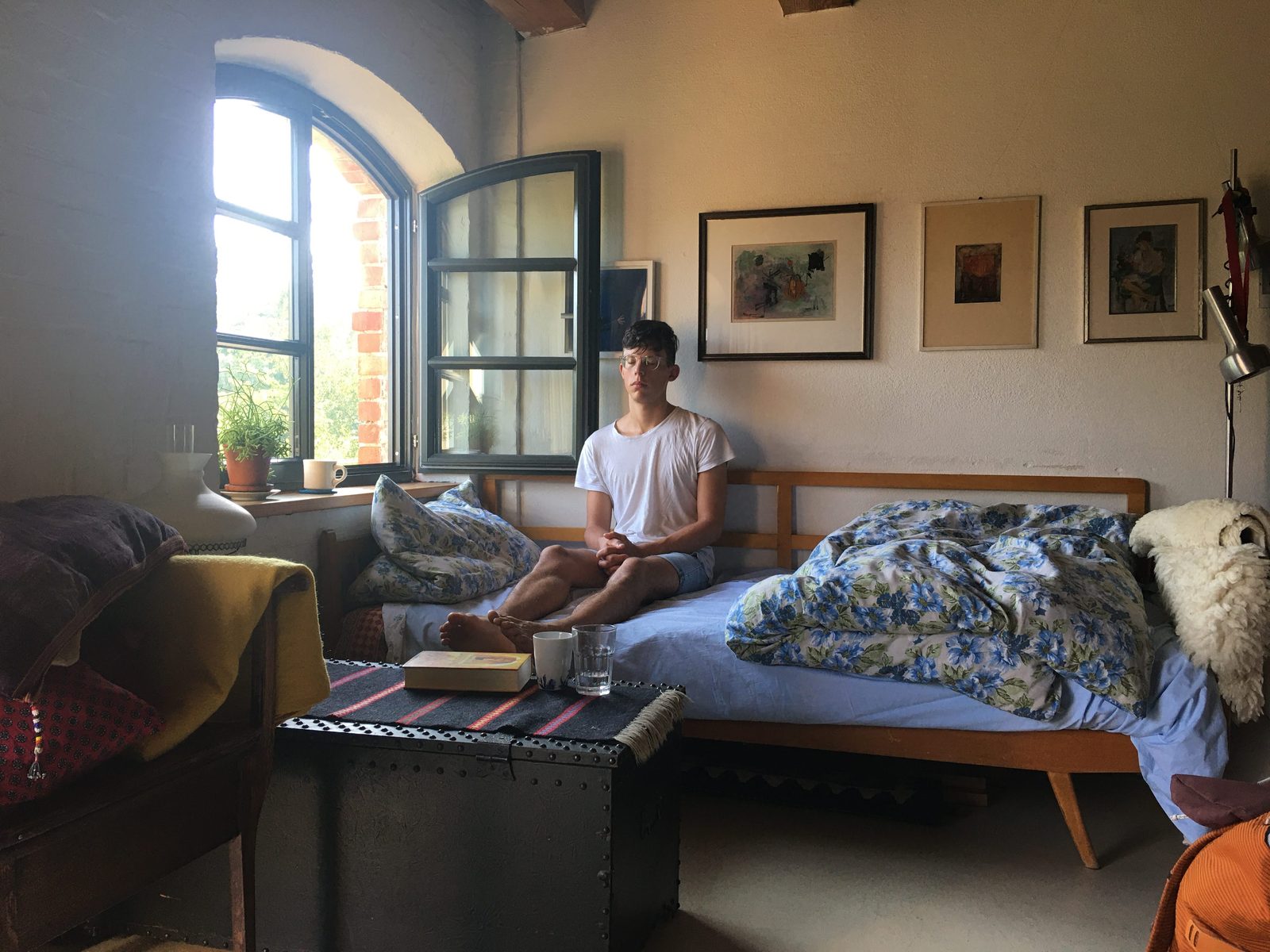
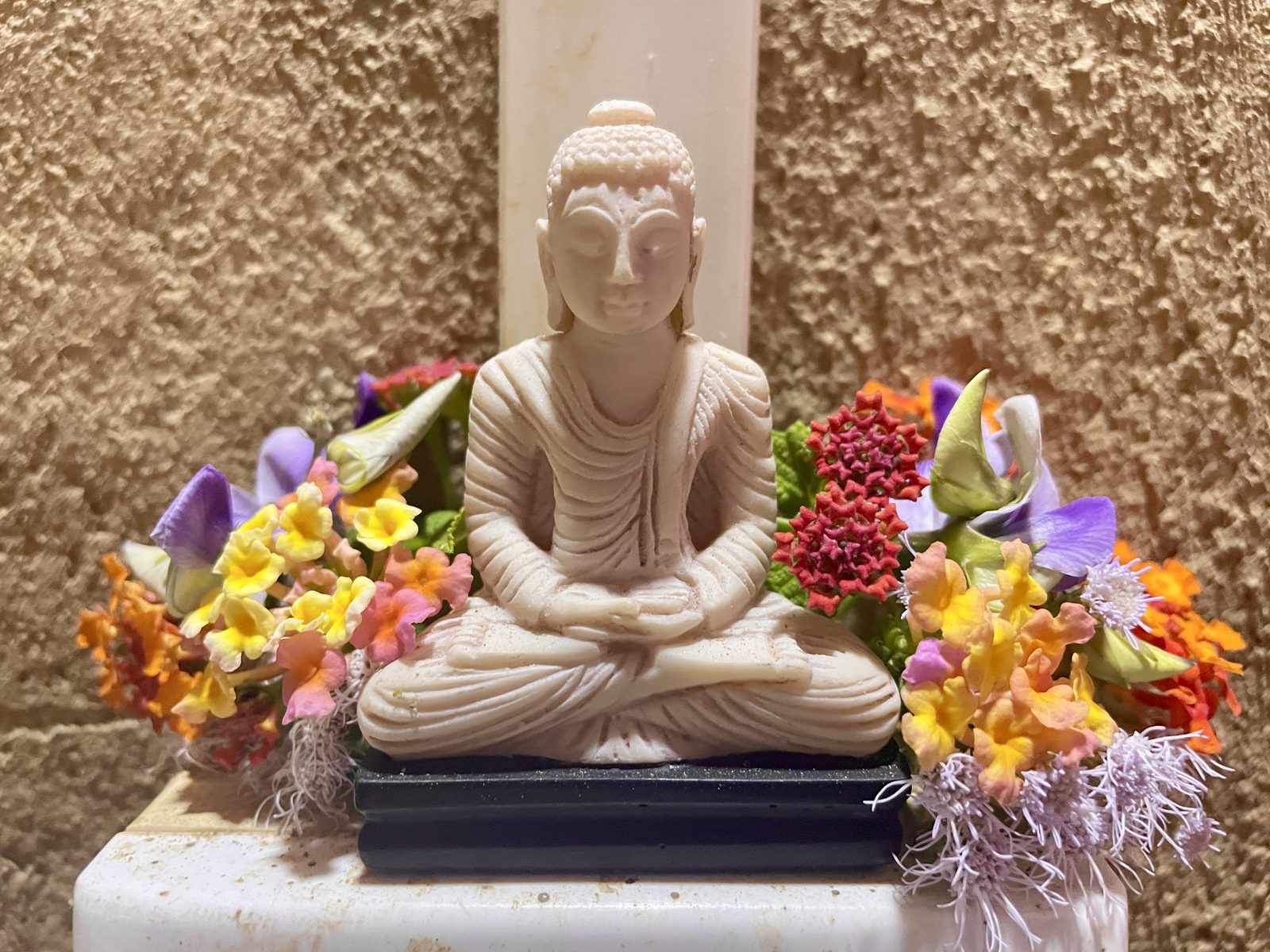
A person sitting in meditation, Brandenburg 2020
Brandenburg 2020

Over three weeks in August 2020, I sent a daily audio meditation including a practical exercise to about 50 people around the world — delivered each evening on WhatsApp.

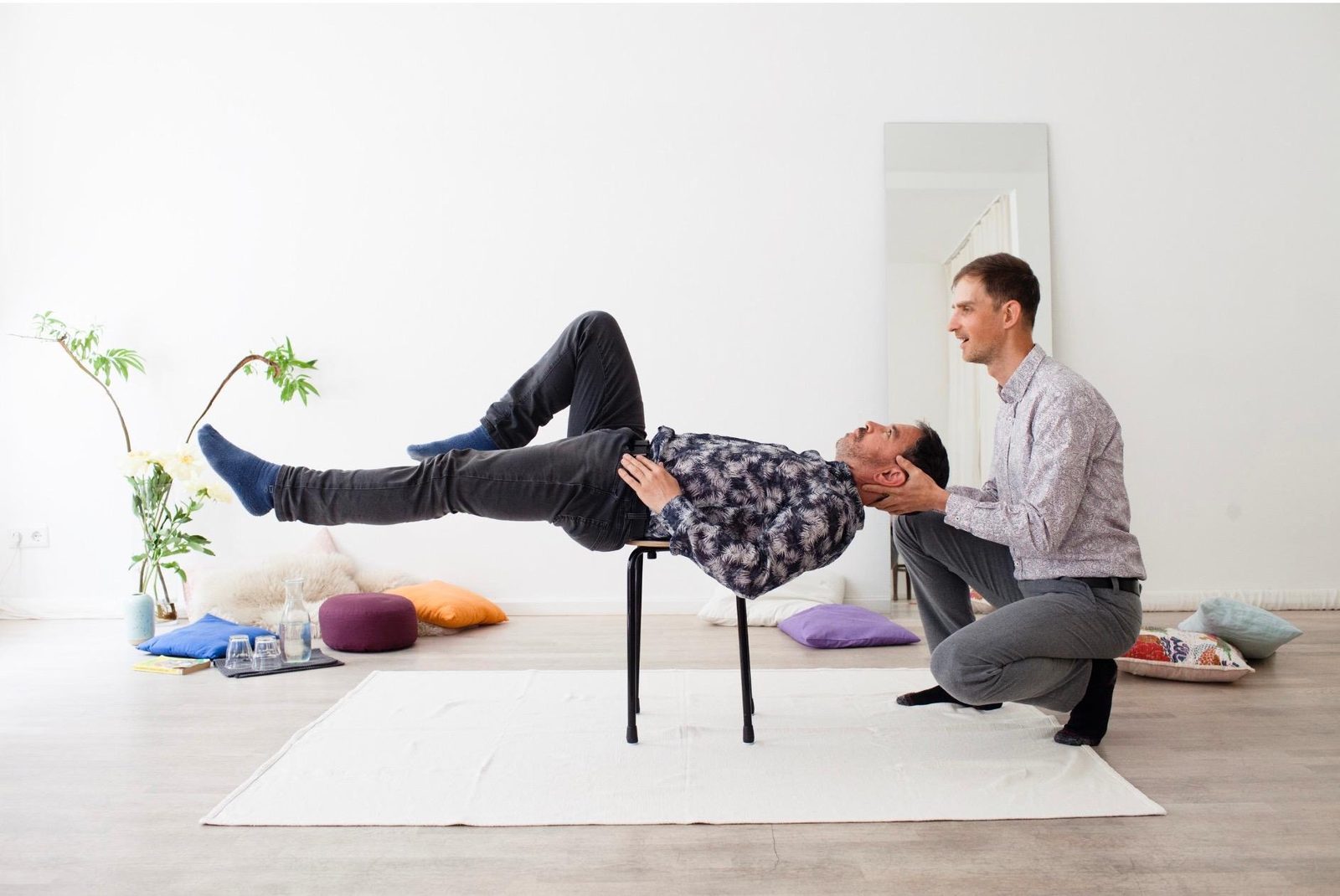
Each recording runs around 12 minutes and is designed to be listened to while lying down, on the floor or a bed, with a book under your head and your knees bent toward the ceiling.

The audio series is a deep dive — an intensive journey of self-exploration, spread across three weeks: the first grounded in Alexander Technique and the body’s perceptual habits; the second opening outward through art, movement and the work of artists and thinkers who have inspired me; the third turning toward stillness, chance and the Buddhist tradition.

You may wish to space out your listening, taking in one audio every second day or even once a week. Find your own rhythm — pause where you need to — there is no need to rush.

· · ·
0 Introduction & Housekeeping
1 Stopping

Exercise: To Not-Do List

The Use of the Self, F. M. Alexander, 1932

2 Habits

Exercise: Identify three habits

Constructive Conscious Control of the Individual, F. M. Alexander, 1923

3 Mirror, mirror

Exercise: Look in the mirror without judging

The Alexander Technique As I See It, Patrick Macdonald, 1989

4 Relationships

Exercise: Relationship diagram

Principis Humanitas, Abhijit Naskar, 2017

5 Brain

Exercise: Relationship diagram with qualities

What is Mind?, Abhijit Naskar, 2016

6 Meditation

Exercise: Relationship diagram with the most important quality in the centre

A Push in Perception, Abhijit Naskar, 2017

7 Fun

Exercise: Ten instructions (e.g. with big love…)

Cynthia Troup, Ready, Fire, Aim — interview with Margaret Cameron and David Young, 2005

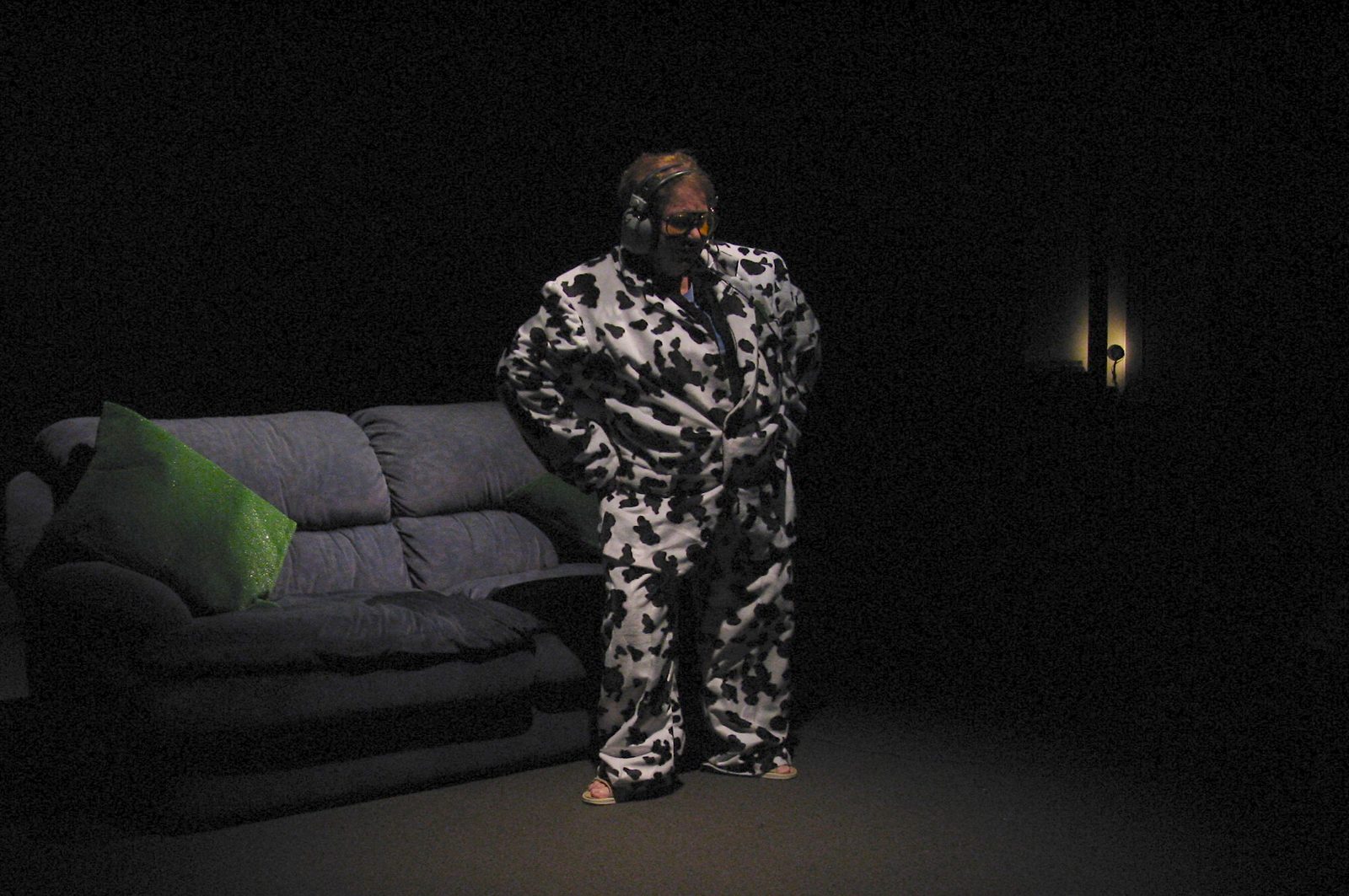
8 Cow

Exercise: Perform ‘Outside Cow 1

Margaret Cameron & David Young, So You Think You Can Cow (performance work), 2009

9 See Yourself Seeing

Exercise: Writing impulses: forest, water, wall

I Shudder To Think, Margaret Cameron, 2014

10 The Art of War

Exercise: List places where you are not expected

The Art of War, Sun Tzu, ancient Chinese text

11 Nothing

Ursula K. Le Guin (translator), Tao Te Ching, Lao Tzu, 1997

12 A Simple Life

Exercise: A Simple Life checklist

John Heider (translator), The Tao of Leadership, 1985

13 The Perception is the Dance

Exercise: Write choreographic instructions for how to do something you love

My Body The Buddhist, Deborah Hay, 2000

14 What if

Exercise: Choose & refine 3–10 choreographic instructions; add ‘What if’

Deborah Hay, seeing seeing seeing (solo performance work), 2009

15 Why not?

Exercise: Refine, reduce, enhance and/or perform your choreography

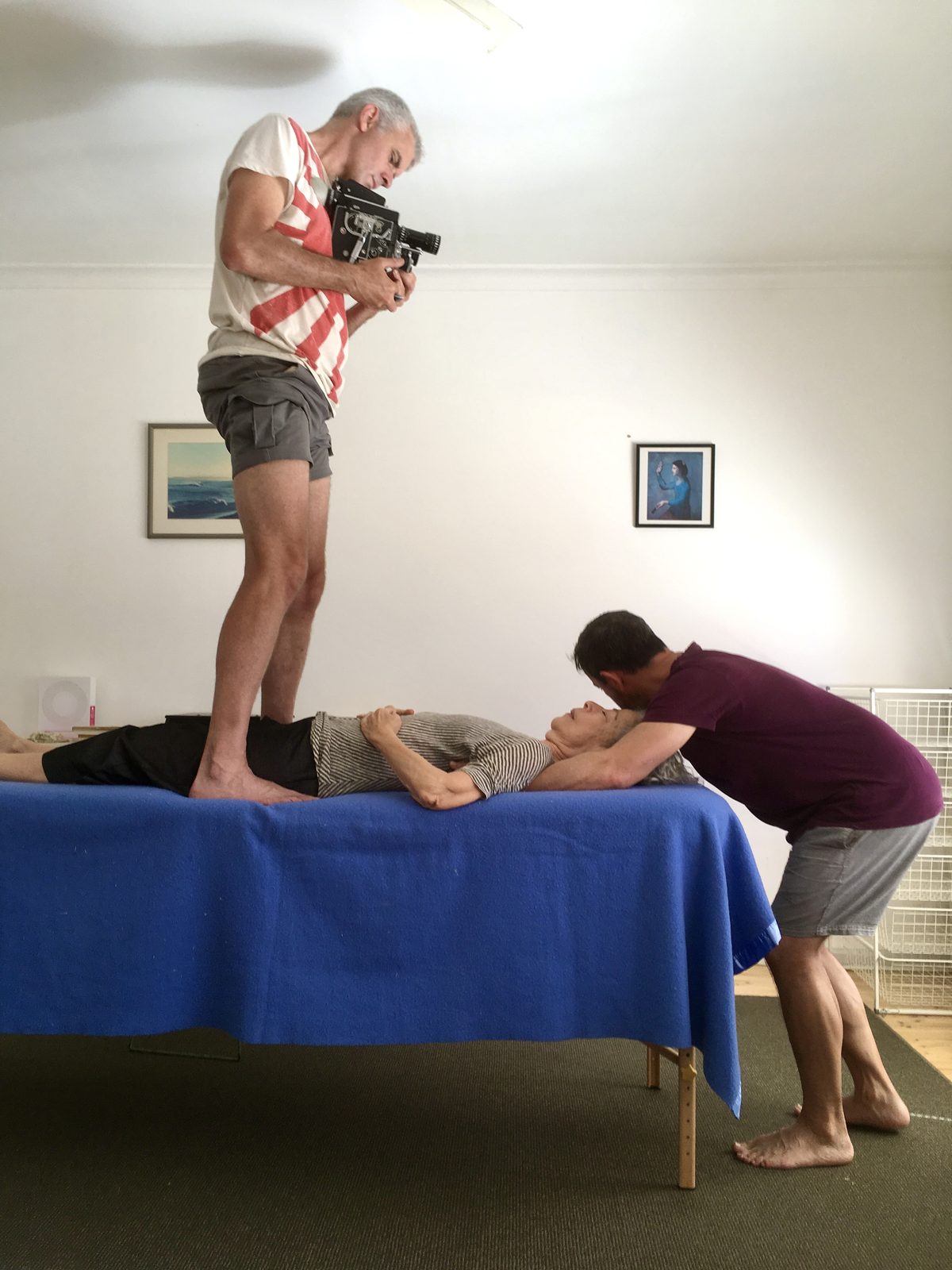
Peter Humble & David Young, Deborah Hay: Alignment is Everywhere (short film), 2019

16 Serendipity

Exercise: What is next to your passion in the dictionary?

Silence, John Cage, 1968

17 Silence

Exercise: Six gamechangers

John Cage, 4′33″, 1952

18 Chance

Exercise: Roll the dice

John Cage, Music of Changes (solo piano), 1951

19 Concentration

Exercise: Look over, complete and/or revise all previous exercises

The Way to Ultimate Calm, Webu Sayadaw, 2001

20 Insight

Exercise: Writing reflection on the forest, water and wall visualisations

Thomas Cleary (translator), The Secret of the Golden Flower, 1991

21 Enlightenment

Exercise: Create your own 21 days

The City of the Mind, Nyanaponika Thera, 1974

21b Gratitude